


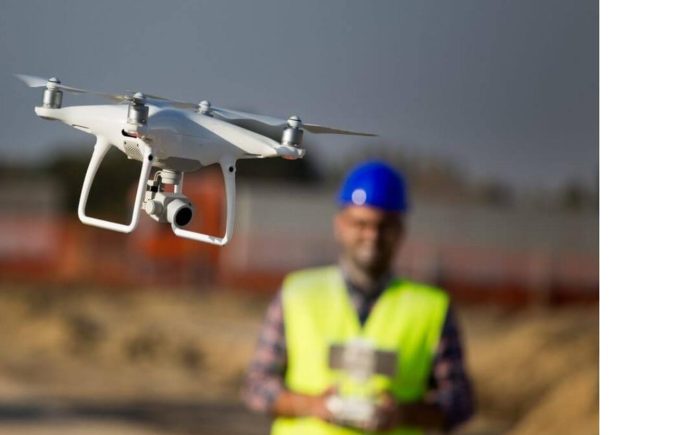

The UAV market is expected to expand from 5.42 million units in 2024 to 7.51 million units by 2029 and is anticipated to grow from USD 30.2 billion in 2024 to USD 48.5 billion by 2029, reflecting a compound annual growth rate (CAGR) of 9.9% over this period.
Unmanned Aerial Vehicles (UAVs), commonly known as drones, have revolutionized various industries by providing innovative solutions and enhancing operational efficiency.
As the UAV market continues to grow, understanding the landscape of UAV buyers is essential for manufacturers, suppliers, and industry stakeholders.
Drones Dominate the Battlefield: The New Face of Warfare in the Russia-Ukraine Conflict
In a world shaken by the relentless thunder of modern warfare, the Russia-Ukraine conflict has thrust Unmanned Aerial Vehicles (UAVs) into the spotlight, underscoring their transformative impact on combat strategies.
As both sides escalate their aerial arsenals, the global stage watches with bated breath, witnessing the dramatic evolution of warfare through the lens of drone technology.
In the crucible of conflict, Ukraine has turned to international allies, drawing from the cutting-edge innovations of the United States and Turkey.
The Turkish Bayraktar B2 drone, a formidable instrument of precision, has become a symbol of Ukraine’s counter-offensive prowess, striking fear into the hearts of Russian forces.
Meanwhile, kamikaze drones supplied by the U.S. have proven their worth by driving enemy soldiers from fortified positions, showcasing a new era of tactical ingenuity.
But as Ukraine showcases its aerial firepower, Russia responds with a strategic shift of its own. The Kremlin, undeterred by sanctions and isolation, has sought new allies in its quest for technological supremacy.
Iranian kamikaze drones have entered the fray, bolstering Russia’s arsenal with a deadly new dimension.
Coupled with Russia’s homegrown UAVs and a steady influx of commercial drones from China’s DJI Mavic line, the battlefield has become a showcase for a dizzying array of aerial technologies.
The proliferation of drones has not only intensified the current conflict but has also sparked a global frenzy.
From the heart of Europe to the bustling economies of North America and the expansive regions of Asia Pacific, demand for UAVs has surged, reflecting the shifting paradigms of military engagement.
In this high-stakes game, where electronic warfare grows ever more complex, the march of drone technology continues unabated, heralding a new age of aerial dominance.
As the drone war rages on, one thing is clear: the skies above are now a battleground in their own right, and the technology that soars through them is rewriting the rules of engagement.
Types of UAV Buyers
UAV buyers can be categorized into several distinct groups based on their industry, usage, and specific needs:
- Commercial Enterprises:
- Agriculture: Farmers and agribusinesses utilize UAVs for precision agriculture, crop monitoring, soil analysis, and irrigation management. Drones equipped with multispectral sensors help in assessing crop health and optimizing resource usage.
- Construction and Real Estate: UAVs are used for site surveys, progress monitoring, and aerial photography. Real estate agents use drones to create virtual tours and showcase properties from unique perspectives.
- Delivery Services: Companies like Amazon and UPS are exploring UAVs for last-mile delivery to improve logistics and reduce delivery times.
- Media and Entertainment: Filmmakers, journalists, and photographers use drones to capture aerial footage and create dynamic visual content.
- Agriculture: Farmers and agribusinesses utilize UAVs for precision agriculture, crop monitoring, soil analysis, and irrigation management. Drones equipped with multispectral sensors help in assessing crop health and optimizing resource usage.
- Government and Public Sector:
- Law Enforcement: Police departments employ UAVs for surveillance, search and rescue operations, and traffic monitoring. Drones provide real-time data and enhance situational awareness.
- Disaster Management: Emergency response teams use drones for disaster assessment, damage evaluation, and delivering aid to inaccessible areas.
- Environmental Agencies: UAVs assist in wildlife monitoring, forest management, and environmental protection activities by providing aerial imagery and data collection.
- Law Enforcement: Police departments employ UAVs for surveillance, search and rescue operations, and traffic monitoring. Drones provide real-time data and enhance situational awareness.
- Industrial and Infrastructure:
- Energy Sector: UAVs are employed for inspecting power lines, wind turbines, and oil rigs. They reduce the need for manual inspections, enhancing safety and efficiency.
- Telecommunications: Telecom companies use drones to inspect cell towers and infrastructure, reducing downtime and maintenance costs.
- Mining: UAVs aid in surveying mining sites, monitoring operations, and ensuring safety compliance.
- Energy Sector: UAVs are employed for inspecting power lines, wind turbines, and oil rigs. They reduce the need for manual inspections, enhancing safety and efficiency.
- Recreational Users:
- Hobbyists and drone enthusiasts purchase UAVs for personal use, enjoying activities like aerial photography, racing, and recreational flying. These buyers often seek user-friendly and affordable drones.
- Hobbyists and drone enthusiasts purchase UAVs for personal use, enjoying activities like aerial photography, racing, and recreational flying. These buyers often seek user-friendly and affordable drones.
- Research and Academia:
- Universities and research institutions leverage UAVs for scientific research, including environmental studies, archaeological surveys, and atmospheric research. Drones provide valuable data and enhance research capabilities.
Motivations of UAV Buyers
The motivations behind purchasing UAVs vary depending on the buyer’s industry and specific needs. Key motivations include:
- Cost Efficiency: UAVs offer cost-effective solutions for tasks that traditionally require expensive manned aircraft or labor-intensive processes. For example, agricultural drones can perform crop monitoring more efficiently and at a lower cost than traditional methods.
- Operational Efficiency: Drones enhance operational efficiency by providing real-time data, reducing manual labor, and improving accuracy. In the construction industry, UAVs enable quick site surveys and progress tracking, leading to better project management.
- Safety: UAVs reduce the need for human presence in hazardous environments. In industries like energy and mining, drones can inspect dangerous areas, minimizing risks to workers.
- Data Accuracy and Precision: Advanced sensors and imaging technologies enable drones to collect high-resolution data, improving the accuracy of surveys, inspections, and monitoring. This precision is crucial for industries like agriculture and environmental monitoring.
- Innovation and Competitive Advantage: Early adopters of UAV technology gain a competitive edge by leveraging innovative solutions. For instance, media companies using drones for aerial filming can offer unique and captivating content.
Key Considerations for UAV Buyers
When procuring UAVs, buyers need to consider several factors to ensure they select the right solution for their needs. Key considerations include:
- Purpose and Application:
- Define the primary use case for the UAV. Whether it’s for aerial photography, inspection, surveillance, or delivery, understanding the specific application helps in selecting the appropriate drone.
- Define the primary use case for the UAV. Whether it’s for aerial photography, inspection, surveillance, or delivery, understanding the specific application helps in selecting the appropriate drone.
- Budget:
- UAV prices vary widely based on features, capabilities, and build quality. Buyers should establish a budget and consider the total cost of ownership, including maintenance, training, and accessories.
- UAV prices vary widely based on features, capabilities, and build quality. Buyers should establish a budget and consider the total cost of ownership, including maintenance, training, and accessories.
- Regulations and Compliance:
- UAV buyers must adhere to local and national regulations governing drone operations. This includes obtaining necessary licenses, adhering to flight restrictions, and ensuring compliance with privacy laws.
- UAV buyers must adhere to local and national regulations governing drone operations. This includes obtaining necessary licenses, adhering to flight restrictions, and ensuring compliance with privacy laws.
- Technical Specifications:
- Evaluate the technical specifications of the UAV, including flight time, range, payload capacity, camera resolution, and sensor capabilities. The chosen drone should meet the specific requirements of the intended application.
- Evaluate the technical specifications of the UAV, including flight time, range, payload capacity, camera resolution, and sensor capabilities. The chosen drone should meet the specific requirements of the intended application.
- Reliability and Durability:
- Assess the reliability and durability of the UAV, especially if it will be used in challenging environments. Consider factors like build quality, weather resistance, and the availability of spare parts.
- Assess the reliability and durability of the UAV, especially if it will be used in challenging environments. Consider factors like build quality, weather resistance, and the availability of spare parts.
- Ease of Use:
- User-friendliness is crucial, especially for buyers with limited experience. Drones with intuitive controls, automated flight modes, and robust safety features are preferable.
- User-friendliness is crucial, especially for buyers with limited experience. Drones with intuitive controls, automated flight modes, and robust safety features are preferable.
- Training and Support:
- Adequate training and ongoing support are essential for maximizing the benefits of UAV technology. Buyers should consider manufacturers or suppliers that offer comprehensive training programs and responsive customer support.
- Adequate training and ongoing support are essential for maximizing the benefits of UAV technology. Buyers should consider manufacturers or suppliers that offer comprehensive training programs and responsive customer support.
- Integration with Existing Systems:
What is an unmanned aerial vehicle (UAV)?
An unmanned aerial vehicle (UAV) is an aircraft that requires minimal and zero assistance from a human pilot.
Which key factors will influence unmanned aerial vehicle (UAV) market growth over 2024-2032?
The global unmanned aerial vehicle (UAV) market is projected to grow owing to the increasing use of modern-day aviation tools in military operations.
What will be the value of the unmanned aerial vehicle (UAV) market during 2024-2032?
According to a study, the global unmanned aerial vehicle (UAV) market size was worth around USD 15.21 billion in 2023 and is predicted to grow to around USD 47.67 billion by 2032.
What will be the CAGR value of the unmanned aerial vehicle (UAV) market during 2024-2032?
The CAGR value of unmanned aerial vehicle (UAV) market is expected to be around 15.35% during 2024-2032.
Which region will contribute notably towards the unmanned aerial vehicle (UAV) market value?
The global unmanned aerial vehicle (UAV) market will be led by North America during the projection period.
Which are the major players leveraging the unmanned aerial vehicle (UAV) market growth?
The global unmanned aerial vehicle (UAV) market is led by players like:
- AeroVironment, Inc.
- DJI (Dà-Jiang Innovations)
- General Atomics Aeronautical Systems, Inc.
- Parrot SA, Yuneec International
- Northrop Grumman Corporation
- SZ DJI Technology Co
- Lockheed Martin Corporation
- Israel Aerospace Industries (IAI)
- Textron Inc. (Includes AAI Corporation and others)
- Kratos Defense & Security Solutions, Inc
- Microdrones GmbH
- SenseFly (A Parrot Company)
- Boeing (Insitu)
Conclusion
The market for UAV buyers is diverse, encompassing various industries and applications. Understanding the motivations and considerations of UAV buyers is essential for manufacturers, suppliers, and stakeholders to cater to their needs effectively.
As UAV technology continues to advance, it promises to deliver even greater benefits in terms of cost efficiency, operational effectiveness, safety, and innovation. By selecting the right UAV and leveraging its capabilities, buyers can unlock new opportunities and drive progress in their respective fields.
Content Disclaimer
The information contained in this press release is submitted by an external source.