


In a major leap forward for the global rental market, the integration of advanced technologies has ushered in a new era of efficiency and convenience, streamlining processes and transforming the way rental housing operates worldwide.
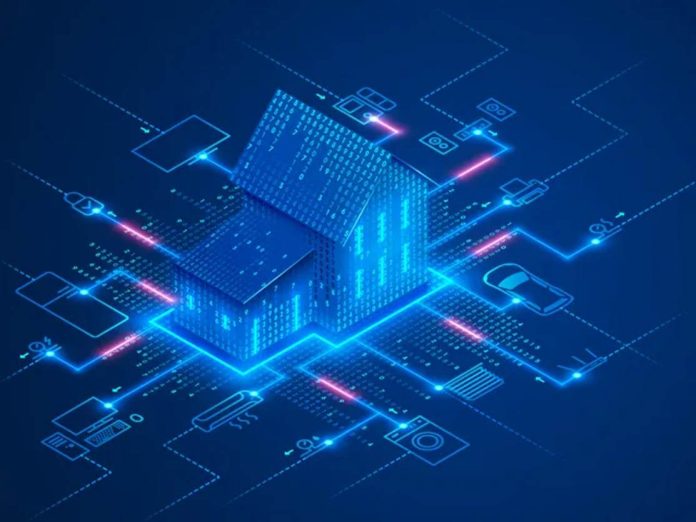
One of the key advancements in the rental market is the widespread adoption of smart home technology. With Internet of Things (IoT) devices becoming more affordable and accessible, landlords are now equipping properties with connected systems, empowering tenants to control various aspects of their living environment.
Smart thermostats, lighting systems, and security features enhance energy efficiency, increase comfort, and provide enhanced safety.
Moreover, property owners and managers have turned to digital platforms to streamline the rental process. Online rental marketplaces and property management software have emerged as powerful tools, simplifying tasks such as listing properties, screening applicants, and managing lease agreements.
These platforms offer seamless communication channels between landlords and tenants, reducing paperwork and enabling swift responses to maintenance requests or inquiries.
The integration of artificial intelligence (AI) and machine learning (ML) algorithms has further propelled the rental market’s evolution.
These technologies enable data-driven decision-making and predictive analysis, assisting property owners in setting competitive rental prices based on market trends, location, and property features.
AI-powered chatbots also provide immediate customer support, addressing frequently asked questions and guiding users through the rental process.
With the advent of blockchain technology, the rental market has gained enhanced transparency and security. Blockchain-based platforms have emerged to ensure tamper-proof rental agreements and streamline the payment process through smart contracts.
Also, the decentralized nature of blockchain removes intermediaries, reducing costs and eliminating the need for trust in transactions.
On a global scale, these technological advancements have led to a more connected rental market, allowing tenants to search for properties and landlords to list their offerings across borders.
Digital platforms provide multilingual support, facilitating international rentals and enabling individuals to find suitable accommodation seamlessly when relocating to new countries.
Industry experts and stakeholders have lauded these technological developments, emphasizing the vast improvements they bring to the rental housing market.
Renters benefit from streamlined processes, improved living experiences, and increased access to a wider range of rental options. Property owners and managers, on the other hand, enjoy greater efficiency, reduced administrative burdens, and increased tenant satisfaction.
New Technologies Found In The Rental Market
- Smart Home Technology: Internet of Things (IoT) devices such as smart thermostats, lighting systems, and security cameras that enhance energy efficiency, comfort, and safety in rental properties.
- Digital Rental Marketplaces: Online platforms that connect renters and property owners, allowing for easy property search, application submission, and lease agreement management.
- Property Management Software: Digital tools that streamline various tasks for landlords and property managers, including tenant screening, rent collection, maintenance requests, and communication channels.
- Artificial Intelligence (AI) and Machine Learning (ML): Algorithms that analyze data to provide insights for pricing, predict trends, automate customer support, and enhance decision-making in the rental market.
- Chatbots: AI-powered virtual assistants that provide immediate customer support, answer frequently asked questions, and guide users through the rental process.
- Blockchain Technology: Decentralized systems that enable secure and transparent rental agreements and payment processes through smart contracts, reducing costs and eliminating intermediaries.
- Virtual Reality (VR) and Augmented Reality (AR): Immersive technologies that allow potential renters to virtually tour properties, visualize renovations, and experience the rental space before making a decision.
- Online Tenant Screening: Digital solutions that automate the process of background checks, credit checks, employment verification, and reference checks for prospective tenants.
- Remote Property Monitoring: IoT devices and surveillance systems that enable landlords and property managers to remotely monitor rental properties for security, maintenance, and compliance purposes.
- Digital Payments: Electronic payment systems, mobile wallets, and online platforms that facilitate secure and convenient rent payments and transactions between landlords and tenants.
- Energy Management Systems: Smart devices and software that monitor and optimize energy consumption in rental properties, leading to cost savings and sustainability.
- Mobile Applications: Rental-specific mobile apps that provide access to property listings, application submissions, lease agreements, payment reminders, and maintenance requests on smartphones and tablets.
- Data Analytics: Tools and software that analyze rental market trends, occupancy rates, rental pricing, and tenant preferences, helping landlords make data-driven decisions.
- Internet-enabled Appliances: Connected appliances, such as smart refrigerators, washers, dryers, and home security systems, that enhance convenience and efficiency in rental properties.
- Geo-fencing: Location-based technology that allows landlords to set virtual boundaries and send notifications to tenants regarding property-related information or nearby amenities.
- Electronic Key Systems: Digital locks, keyless entry systems, and mobile apps that provide secure access to rental properties and eliminate the need for physical keys.
- Internet of Things (IoT) Sensors: Sensor-based technology that monitors environmental conditions, detects leaks, and alerts landlords or tenants about potential issues in rental properties.
- Tenant Relationship Management (TRM): CRM-like software designed specifically for managing tenant relationships, communication, and providing personalized services.
- 3D Printing: Technology that enables the rapid production of customized parts or fixtures for maintenance or renovation purposes in rental properties.
- Predictive Maintenance: AI-driven systems that analyze equipment data and patterns to identify maintenance needs in rental properties, minimizing downtime and reducing costs.
- Collaborative Consumption Platforms: Online platforms that facilitate sharing and renting of various items among neighbors or communities, promoting resource optimization and reducing waste.
- Internet of Things (IoT) Energy Monitoring: Real-time monitoring of energy usage in rental properties, providing insights for tenants and landlords to optimize consumption and reduce costs
- Remote Locking Systems: Digital locks that allow landlords to remotely control access to rental properties, granting temporary or limited-time access to tenants or service providers.
- Real-Time Feedback Systems: Digital tools that enable tenants to provide instant feedback on property conditions, maintenance requests, or overall living experiences, helping landlords improve services.
- Social Media Marketing: Utilizing social media platforms to advertise rental properties, engage with potential tenants, and build a strong online presence for property owners and managers.
- Machine Translation: AI-powered translation tools integrated into rental platforms, allowing for multilingual support to cater to an international tenant base.
- Automated Lease Renewals: Digital systems that automatically generate lease renewal agreements based on predefined terms, simplifying the process for both landlords and tenants.
- Data Security and Privacy Measures: Robust protocols and encryption techniques to protect sensitive information and ensure data privacy in rental transactions and platforms
Online Listings
The rental market has undergone a significant transformation in the past two decades, thanks to advancements in technology. One of the most notable changes is the shift towards listing and searching for rental properties online.
In the past, people had to rely on traditional methods such as scanning classified ads in newspapers or driving around neighborhoods to spot rental signs.
However, with the advent of online platforms and apps like Domain.com.au, Real Estate.com, and Rent.com.au, the process has become much more convenient for tenants.
Now, they can easily search for available rental properties from the comfort of their own homes, utilizing various online tools.
Need to know
- RentTech platforms such as realestate.com.au’s Ignite as well as tApp, Tenant Options, Snug, and 2Apply collect data that goes well beyond what’s necessary to evaluate a tenant’s suitability
- Prospective tenants are forced to give away excessive personal data that may then be used to exclude them from a rental property
- CHOICE is calling for better protections for people who rent as third-party RentTech platforms increasingly dominate the market
While there are concerns about potential privacy and security risks associated with the integration of advanced technologies, industry leaders continue to emphasize the importance of data protection measures and regulatory frameworks to address these challenges.
Content Disclaimer
The information contained in this press release is submitted by an external source.