

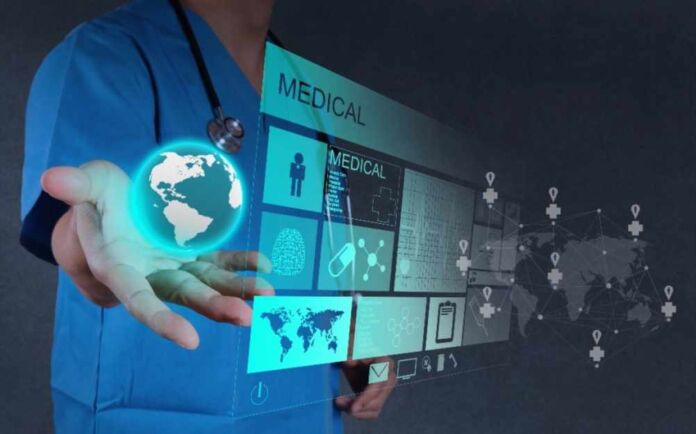

Medical technology is the science of connecting medical devices to patient data. Smart medical devices will be able to communicate with each other smart devices nearby, allowing physicians to better monitor their patients holistically and systematically.
For example, a new voice assistant called Saykara can understand conversations between doctors and patients. Similarly, the artificial pacemaker dates back over a century.
It can correct and prevent life-threatening heart arrhythmias. But the artificial pacemaker relies heavily on remote monitoring, which requires complex interfaces and data.
The desire to improve the quality of patient care influences the flow of medical technology. Direct providers of health care may incorporate new technology into their care to meet patient needs or desire to provide the latest technologies.
On the other hand, health care professionals may be motivated by professional goals. If a new technology makes the healthcare experience more pleasant, it will increase patient satisfaction. And, it will likely improve patient outcomes. In addition, it may also lead to new business models and technological developments.
Regulatory oversight of medical technologies is evolving. The European Union has recently enacted European Medical Device Regulation, a system that takes a life-cycle approach to product regulation.
Other countries are moving beyond the United States, such as India, where regulatory oversight is now extended to all types of medical devices.
One example of this is the lab-on-a-chip. This device tracks blood sugar levels in real-time, and allows diabetics to tailor their lifestyle and diet to better manage their disease.
In addition to diabetes management, wearable continuous glucose monitors are becoming a new norm for diabetics. These technologies help patients monitor their condition more accurately and safely and can help improve their quality of life.
The medical community needs to keep pace with these developments, and they must also consider patient safety and the overall health of their patients.
The success of a medtech startup is often dependent on a variety of factors, including triad financing, the skills of the leadership team, and evidence-based data.
To maximize their chances of success, medtech startups should have a strong customer base, which means reducing the cost of care and improving patient outcomes.
They can also improve their efficiency by collaborating with health care providers and enhancing patient experience. This approach has a positive impact on both the bottom line and long-term profitability.
Several new technologies help physicians diagnose diseases faster than ever before. In addition to allowing physicians to see more patients, virtual assistants allow them to spend more time with their patients. The use of AI is also increasing in telehealth and remote monitoring.
Quantum computing has the potential to analyse millions of CAT scans – almost all of them. Patterns that emerge from these analyses could be used to prevent and treat disease. AI is also helping physicians predict which treatments will work best for their patients.
Using AR headsets during surgery allows doctors to see the patient’s condition without having to use their hands. These headsets are very easy to use and require little training, which makes it affordable for most hospitals. The benefits of AR headsets are endless.
Besides facilitating early diagnosis, these devices also reduce workload and improve patient outcomes. A good example of this is the Cleveland Clinic’s total face transplant. Virtual reality has also improved medical education.
Besides personal computers and smartphones, digital therapeutics are becoming increasingly sophisticated. With these advanced software programs, doctors can analyse data from thousands of patients at a time, improving patient outcomes, reducing costs, and increasing the job satisfaction of their staff.
In addition to personalized care, digital therapeutics can monitor patients without a traditional doctor visit. With these advanced technologies, physicians can detect problems much sooner than they would through traditional appointments. They can even help diagnose diseases before they are diagnosed.
What Is Telemedicine?
Telemedicine is a general term that covers all of the ways you and your doctor can use technology to communicate without being in the same room. It includes phone calls, video chats, emails, and text messages. People also call it telehealth, digital medicine, e-health, or m-health (for “mobile”)
Telemedicine is another important development in the field of medical care. With telemedicine, patients can receive care through video calls with a doctor. It also allows doctors to monitor patients’ symptoms and blood levels remotely.
Advanced healthcare companies also offer testing services at home or in the office. And in the future, telemedicine might be used for full-fledged surgical operations.
Further developments in this field are envisioned for the future of medicine. In the meantime, wearable technology and mobile apps for health monitoring can improve the jobs of allied healthcare workers.
Technology Meets Healthcare
When it comes to technology and healthcare, the on-demand economy is making a profound impact. Digital solutions are helping the healthcare industry address talent shortages and engage patients and payers.
The COVID-19 pandemic exposed a serious weakness in the global healthcare system
Increasing mobile connectivity has made telehealth easier to use for doctors. With faster mobile data speeds, physicians can consult with a physician from anywhere. This has many benefits for patients and can improve patient care.
5G Connectivity
In addition to improving patient experiences, 5G connectivity enables healthcare providers to communicate with patients and receive instructions remotely. Further, the improved quality of mobile connectivity can enable a more convenient and efficient work environment for all healthcare providers.
Devices
As more devices are becoming medically useful, consumer devices such as the Apple Watch now have sensors that are reliable enough for medical use. Apple’s ECG feature, for example, is cleared by the FDA to detect atrial fibrillation, and more investments are being made in wearable devices. This innovation will continue to be a disruptive force in the healthcare sector.
Mobile Phones
In Africa, mobile phones are proving to be an excellent addition to healthcare facilities. They’ve been instrumental in facilitating the delivery of quality e-health care. Mobile phones have made it easier for medical practitioners to access the information and resources they need to make decisions on patient care.
The use of smartphones in Africa has also been a boon for the country. But there are still major challenges to effective use of ICT in healthcare, including illiteracy.
Virtual Reality
While many technologies have their limitations, VR has already shown its potential. Doctors can use it to practice and plan complex surgeries. Virtual reality headsets can also be used to help patients manage pain. Wearable devices can also motivate patients to exercise and assist children with autism to navigate the world.
Virtual reality is just one part of the digital transformation in the healthcare industry. With these developments, the healthcare industry is expected to grow exponentially and benefit from new technologies in the next several years.
Development of advanced computer technologies
With the development of advanced computer technologies, healthcare professionals have the ability to experiment with their practice, meet clinical demands, and participate in educational and research activities.
Long-distance clinical care is referred to as “telehealth,” which is a broad umbrella term that includes patient education, professional health-related education, health administration, and public health.
The opportunities in this field are endless, and should not be underestimated. So, when it comes to improving healthcare delivery, technology and communications have the power to transform the field.
Business And Healthcare
The combination of business and healthcare has made it possible for hospitals and clinics to thrive.
These institutions are centered on providing the highest quality care to patients. But to provide the highest quality care, they must operate efficiently. In order to achieve this, the fields of business and healthcare have come together.
Without these specialties, healthcare organisations would not survive and thrive.
In today’s world, healthcare organisations need both business and medical professionals to help keep the system running smoothly
The healthcare system is increasingly a business. Hospitals and physician groups routinely siphon billions from the system and shift those dollars to their shareholders. At the same time, they are building new hospitals and expanding their capacity to increase market share.
Meanwhile, patients are left with obscene bills and are left to blame their doctors. As a result, the U.S. spends more money than any other country. This means that the U.S. health system has failed to meet the demands of patients.
Adapting to consumer expectations and changing ecommerce trends is crucial for the future of healthcare. By offering short-term financing options, healthcare providers can improve their patient experience and increase loyalty.
Short-term lending solutions can also be integrated into the billing process. With this information, healthcare providers need to expand their payment options.
This includes extending credit card payments, accepting credit cards, and accepting other forms of payment.
The health system
The health system element suggests that health systems are organized to enable the delivery of chronic disease care to patients.
Cases in studies used ICT systems to support informed management decisions (helping to plan and finance the delivery of care in a region), quality improvement initiatives (at both organizational and clinical levels) and case research ( identifying population groups to target (e.g., lists of chronic diseases in EMR systems) as a means of improving chronic disease care
The results studies show that ICT systems are mainly used to support care coordination through information sharing, in line with the literature on the relevant role of technology in these models.
The findings also support the eCCM assertion that information sharing is crucial to this model of care. However, the full potential of these systems to support other essential integrated care activities is not fully realised.
![The eHealth Enhanced Chronic Care Model (eCCM). Created by Gee, P.M., Greenwood, D.A., Paterniti, D.A., Ward, D., and Miller, L.M. [14].](https://www.researchgate.net/profile/Bradford-Hesse/publication/317634358/figure/fig1/AS:506109083750400@1497677216689/The-eHealth-Enhanced-Chronic-Care-Model-eCCM-Created-by-Gee-PM-Greenwood-DA.png)
Limitations and future directions
Studies constitute actual implementations of integrated community-based primary health care primarily used existing ICT solutions.
The systems used do not represent all of the ICT efforts available in every jurisdiction, and as such this analysis is not intended to suggest that the uses represent all of the technologies available that could be used to support the model of care.
Technology and the healthcare market
With the rise of consumer-directed healthcare, technology is disrupting the way doctors and other providers provide care. Instead of recording images for ENT specialists, doctors can record patient biomedical identifiers on their iPhones.
Such equipment is a thousand times cheaper than traditional imaging equipment, and patients are increasingly empowered to make their own decisions about their care. Patients will be able to take more responsibility for their own health, diagnosis, and even lifestyle advice.
As healthcare costs continue to rise and quality of care suffers, it’s important for innovators to consider how these technologies will impact the overall health of the public. For example, insurers rarely pay separately for capital equipment. Therefore, payments for procedures performed with the new equipment must cover those costs.
Vendors of new anaesthesia technology must also help hospitals obtain additional reimbursement from insurers to offset the cost of capital. But this approach can be costly and may not be feasible for all hospitals.
In addition to soaring costs, healthcare innovations also face opposition from the status quo. Established organisations see technological advances as a threat and often view them as a competitor.
Physicians, for instance, are resentful of for-profit efforts to deliver health care in convenient locations. Likewise, lack of intermediaries and developed consumer-marketing channels hinder companies’ efforts. Further, many of these innovations are not yet widely available.
The traditional medical device industry faces a growing number of challenges from nonhealthcare companies, niche vendors, and healthcare IT vendors. At the same time, the rapid pace of technological evolution presents both new and existing products that leverage cutting-edge technologies.
While some medical device vendors have successfully integrated information technologies with newer medical devices, others are yet to make the transition. But, in general, technology and the healthcare market continues to undergo significant change across the clinical and IT domains.
The regulated nature of the healthcare industry has made it more difficult for organisations to implement new technologies. This has slowed the adoption of new technologies. However, it is evident that innovative start-ups are using new technologies to streamline access and improve quality.
Despite the challenges, healthcare costs are high and quality is inconsistent. In fact, access to healthcare is often severely restricted. As a result, patients are not as likely to access high-quality services.
While some of the new technologies will be more expensive than traditional devices, there are numerous benefits to adopting them. For example, wearable medical devices can monitor patient blood glucose levels remotely and help determine how likely they are to suffer a major health event.
Content Disclaimer
The information contained in this press release is submitted by an external source.